Everything That Goes Into a Real Pot of Ajiaco Cubano
There’s a moment in every Cuban household where someone opens the fridge, looks at whatever root vegetables have been sitting around for a week, and decides today’s the day for ajiaco cubano. It’s not really a planned dish — it’s more of a “we have all this, might as well” meal. And that’s kind of the whole point of it.
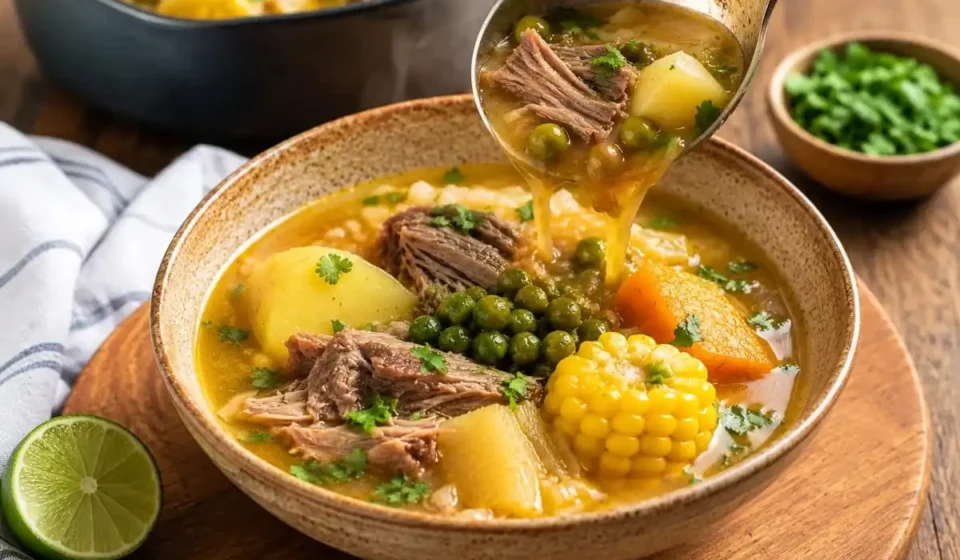
Traditional ajiaco cubano is the closest thing Cuba has to a signature national dish, though calling it a mere soup severely undersells it. It’s thick, it’s loaded, and by the time it finishes simmering, there’s barely any room left for broth between all the hearty meats and tropical root vegetables floating in the pot.
What Is Authentic Ajiaco Cubano?
Ask ten Cuban grandmothers what is ajiaco cubano, and you’ll get ten slightly different answers — and all of them will be a little offended you had to ask. At its core, it’s a rich, robust Cuban country stew built from a combination of multiple meats (traditionally a mix of pork, beef, and chicken) simmered for hours with a mountain of Caribbean root vegetables, known locally as viandas.
These aren’t the standard potatoes you’d find in an ordinary weeknight soup. A true ajiaco criollo cubano relies on authentic ingredients like yuca (cassava), malanga (taro root), boniato (Cuban sweet potato), and calabaza (a Caribbean squash often called Cuban pumpkin), alongside fresh corn on the cob and plantains at varying stages of ripeness.
The dish’s roots reportedly stretch back to Cuba’s Indigenous Taíno population, well before Spanish colonization, an origin theory most associated with the Cuban ethnologist Fernando Ortiz, who described ajiaco as a kind of edible metaphor for Cuba itself, a mix of many different things settling into one pot. That origin story is widely repeated in Cuban food writing, though it’s worth noting as oral tradition rather than a firmly documented fact.
Traditional Ajiaco Cubano Ingredients: What Goes Into the Pot
Here’s the reality about the ingredientes del ajiaco cubano: there are a lot of them. The first time you write out a shopping list for an authentic receta de ajiaco cubano, you’ll wonder if you’re cooking dinner or restocking a produce stand.
A thorough, traditional list includes:
- Meats (carnes): pork (shoulder, ribs, or chunks), beef (traditionally tough braising cuts), and bone-in chicken. Many home cooks also add tasajo, salted, dried beef jerky, for a deeper, more traditional flavor. Some versions also render a bit of bacon or salt pork into the base.
- The root vegetables (viandas): yuca, malanga, boniato, and calabaza.
- The extras: corn on the cob (maíz), green plantains (plátano verde), and a riper plantain added later for sweetness.
- The sofrito and aromatics: garlic, onion, green bell pepper, cumin, oregano, tomato sauce, and lard or oil. If you haven’t made a batch of Cuban sofrito before, this is a good excuse to start, since it shows up in almost everything else you’ll cook from here on.
- The finish: freshly squeezed lime juice (limón), served on the side.
You genuinely don’t need every item on this list to make something worth eating. Cuban families have been swapping ingredients based on what’s fresh or available for generations, which is exactly why no two versions ever taste identical.
Ajiaco Criollo, Caldosa, and Sancocho: Clearing Up the Confusion
This is where people often get tangled up, so it’s worth untangling.
- Ajiaco criollo cubano is simply another name for the classic dish. “Criollo” translates to homestyle or native-style, it’s not a separate recipe, just a different way of referring to the same pot.
- Caldosa cubana is a close cousin of ajiaco, often brewed outdoors in massive cauldrons during community street parties (fiestas). It tends to run soupier and looser than a tightly managed ajiaco, since it’s built to serve a crowd rather than hold its shape on a plate.
- Sancocho shares the same broad idea, mixed meats and root vegetables simmered low and slow, and it is genuinely made in Cuban kitchens too, just less iconic there than in Dominican or Colombian cooking, where it’s more central to the national identity. If you see “sancocho cubano” on a menu, treat it as a real but less standardized dish than ajiaco or caldosa, not an imported term.
Don’t Mix It Up With Colombian Ajiaco
There’s one major mix-up worth clearing up: there’s also a well-known South American dish called ajiaco colombiano. Despite sharing a name, according to Wikipedia’s entry on ajiaco, it’s a completely different soup, popular in Bogotá as ajiaco santafereño, made with chicken, three varieties of potatoes, and a specific local herb called guascas. If a recipe calls for guascas, you’ve landed on the wrong side of the continent, that’s Colombia’s dish, not Cuba’s.
How to Make Ajiaco Cubano (Receta Tradicional)
A proper ajiaco cubano recipe follows a distinct order. Because different ingredients break down at wildly different speeds, dumping everything into the pot at once is a recipe for mush.
Serves: 8–10 · Total time: roughly 3 hours (plus overnight soaking if using tasajo)
- Prep the tasajo (if using). Tasajo needs to be desalted before it goes anywhere near the pot. Soak it in cold water for several hours, or ideally overnight, changing the water once or twice. Skipping this step will leave your ajiaco far too salty.
- Simmer the meats. Start with the toughest meats first, since they need the longest cook time. Pork, beef, chicken, and the soaked tasajo go into a large stockpot (at least 8 quarts) with plenty of water, a couple of bay leaves, and a pinch of salt. Simmer for about an hour, skimming the foam and excess fat off the top to keep the broth rich rather than greasy.
- Prepare the sofrito. While the meat cooks, build a flavor base by sautéing onions, garlic, and green bell pepper in a bit of lard or oil, along with tomato sauce, cumin, and oregano, until fragrant and softened, about 8–10 minutes.
- Add vegetables in stages. Once the meats are tender, remove them to chop or shred, then add your root vegetables to the pot in waves. Yuca and malanga go in first, since they take the longest to soften (20–25 minutes). Boniato and calabaza follow shortly after, along with the corn (cut into rounds) and chunks of green plantain, and cook for another 15–20 minutes.
- The sweet finish. The riper plantain goes in near the very end. Because it breaks down quickly, its main job is to melt directly into the liquid, acting as a natural thickener that gives the broth its signature velvety weight.
- Bring it together. Return the shredd
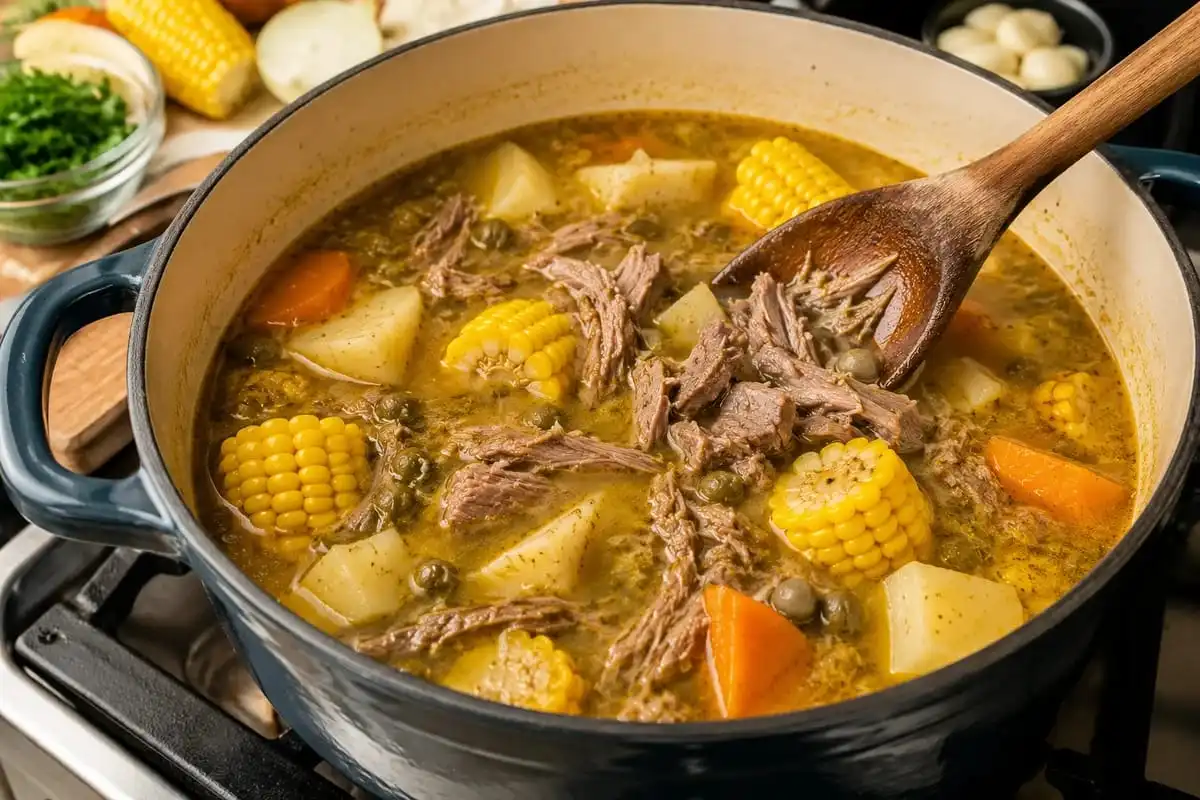 ed meat to the pot along with the sofrito. Let everything meld together on a low simmer for another 15 minutes so the flavors marry, then adjust the salt at the end, once the vegetables have released their natural starches.
Serve hot, with lime wedges on the side so everyone can brighten their own bowl. A basket of Cuban bread alongside is never a bad idea either, since it’s built for soaking up exactly this kind of broth.
A Few Pro Tips Before You Start
- Patience is key. This isn’t a fast 30-minute weeknight dinner. The root vegetables demand their time, and the meat needs a long braise to reach true tenderness.
- It’s better the next day. A pot of Cuban ajiaco left overnight in the fridge tastes even better the following day, once the starches have fully settled and the flavors deepen.
- It’s more than a soup. Unlike lighter broths like sopa de pollo, ajiaco is a heavy, standalone meal meant for long Sunday gatherings and a table full of hungry people.
- Short on time? Many home cooks now adapt the recipe for an olla de presión (pressure cooker) to cut the meat and root vegetable cooking time significantly, just add the quick-cooking vianda and plantains after releasing pressure, so they don’t turn to mush.
If you end up with extra root vegetables sitting on your counter afterward, embrace it. That’s just a sign you’ll be firing up the stockpot again sooner than you planned.
Frequently Asked Questions About (Ajiaco Cubano)
What’s the difference between ajiaco cubano and ajiaco colombiano?
They’re entirely different dishes that happen to share a name. Ajiaco cubano is a thick stew built on mixed meats and Caribbean viandas like yuca, malanga, boniato, and calabaza. Ajiaco colombiano, on the other hand, is a chicken-and-potato soup flavored with guascas, a specific Andean herb you won’t find in any Cuban kitchen.
Do I have to use tasajo, or can I skip it?
Tasajo adds a distinctive smoky, salty depth, but it’s not mandatory. If you can’t find it or don’t want to deal with the overnight soak, a good chuck roast or short ribs will still give you a solid, tender ajiaco, you’ll just lose some of that traditional edge.
What if I can’t find all four viandas at my grocery store?
Use what you can get. Yuca and boniato are the most widely available outside Cuba; malanga and calabaza are sometimes harder to find. Swapping calabaza for a small kabocha or butternut squash, or leaving out one root vegetable entirely, is common practice, even Cuban households do it depending on the week.
Can I make ajiaco cubano in a slow cooker?
Yes. Brown the meats first if your slow cooker allows it, then cook on low for 6–7 hours. Add the sturdier viandas (yuca, malanga) in the first half of cooking, and hold off on the calabaza, corn, and plantains until the last 1–2 hours so they don’t disintegrate.
Final Thoughts:
Making a pot of ajiaco cubano isn’t just about following strict rules, it’s about embracing the resourcefulness that defines Cuban home cooking. Whether you’re clearing out the pantry roots at the end of the week or preparing a feast for family and friends on a Sunday afternoon, this rich, comforting stew rewards patience. Keep your ingredients authentic where you can, respect the staging of the vegetables so nothing turns to mush, and enjoy a genuine taste of Cuban heritage.